Biggest Arctis Nova 5 Wireless 5 5P 5X Buying Mistakes (And How to Avoid Them)
The SteelSeries Arctis Nova 5 family — including the Nova 5 Wireless, Nova 5P, and Nova 5X — targets gamers and media consumers who want a modern wireless headset with gaming-focused features. They look appealing on spec sheets, but many buyers make avoidable mistakes when choosing between models or setting expectations after purchase. This article breaks down the common pitfalls, analyzes the practical differences between the variants, and provides a step-by-step buying guide so a reader can pick the right Arctis Nova 5 for their needs and avoid buyer’s remorse.
Introduction: why the right choice matters
Headphones are more than a spec parade: comfort, compatibility, microphone clarity and real-world latency often determine whether a headset becomes a daily companion or a shelf ornament. With console-specific models in the Nova 5 line and multiple wireless protocols in play, the wrong assumption about “wireless” can lead to poor performance in competitive play, unexpected incompatibility, or a product that simply doesn't match the buyer’s primary use case. This guide focuses on practical, real-world concerns buyers typically care about and offers actionable ways to avoid mistakes when shopping for Arctis Nova 5 headsets.
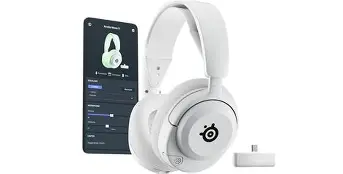
Product analysis: what the Nova 5 series actually offers
Instead of drilling into disputed numbers, the following analysis emphasizes real-world strengths and limitations that matter day-to-day.
Arctis Nova 5 Wireless — the generalist
The Nova 5 Wireless is positioned as a multi-platform option for users who move between PC, mobile and consoles. In practical terms, that usually means a combination of a low-latency 2.4 GHz USB dongle and Bluetooth for phone calls or music. For someone who streams on PC, uses a phone for voice chat, and occasionally plays on console, the dual-mode flexibility is useful.
Real-world trade-offs: Bluetooth convenience is great for casual listening but can introduce latency for competitive gaming. The USB dongle reduces lag but ties the headset to a host with a USB port. Buyers who prize portability and everyday audio will appreciate the Nova 5 Wireless; competitive players should be mindful of how they use the connections.
Arctis Nova 5P — tuned for PlayStation and PlayStation users
The Nova 5P is the Playstation-oriented variant. That means packaging and features are often designed with PlayStation integration in mind — presets, marketing, and occasionally included accessories reflect that focus. For PlayStation owners who want out-of-the-box compatibility and a headset that respects console workflows, the P model removes friction.
Real-world trade-offs: PlayStation users who also want native Xbox Wireless support or true cross-platform dongle compatibility should confirm the specifics before buying. Some buyers assume a PlayStation-branded variant will be fully universal; that's not always the case.
Arctis Nova 5X — an Xbox-centric option
The Nova 5X typically targets Xbox players. Xbox-focused headsets commonly emphasize low-latency connectivity and seamless pairing with Xbox consoles. For someone who plays most of their hours on Xbox and values a direct connection without additional adapters, the 5X often fits best.
Real-world trade-offs: Microsoft’s Xbox Wireless protocol provides a convenient connection experience, but it isn't the same as a universal 2.4 GHz dongle or Bluetooth. Buyers who bounce between PC and Xbox should check how the headset behaves in each environment — some models require different adapters or have different feature support across platforms.
Pros & Cons
- Pros
- Modern, comfortable headband and earcup design aimed at long sessions.
- Multiple wireless connection options across the family (low-latency dongle, Bluetooth, or console wireless).
- Gaming-oriented mic performance and in-headset monitoring in many cases.
- Software EQ and profiles to tailor sound for different games and media.
- Cons
- Model differences are meaningful — buying the wrong variant can cause compatibility or feature gaps.
- Bluetooth is convenient but not ideal for competitive low-latency use.
- Battery life and real-world endurance vary by use pattern; wired fallback might be necessary.
- Some buyers report that sound tuning needs adjustments via software to match personal taste.
At-a-glance comparison
| Model | Platform focus | Primary wireless protocol(s) | Microphone | Best for | Notes |
|---|---|---|---|---|---|
| Arctis Nova 5 Wireless | Cross-platform (PC, mobile, some consoles) | Low-latency 2.4 GHz dongle + Bluetooth | Gaming-focused mic (retractable or boom style) | Users who switch between devices and value Bluetooth convenience | Flexible; check latency mode and wired fallback options |
| Arctis Nova 5P | PlayStation ecosystem | Console-focused wireless + Bluetooth/USB options | Gaming-focused mic | PlayStation owners wanting native-like integration | Check which features are supported on PC or non-PlayStation consoles |
| Arctis Nova 5X | Xbox ecosystem | Xbox Wireless (or console-friendly wireless) + other options | Gaming-focused mic | Xbox-first households and players | Ideal if most gaming time is on Xbox; verify PC behavior if used there |
Biggest buying mistakes — and how to avoid them
The following mistakes are commonly reported by buyers who later return or regret a headset purchase. Each mistake includes pragmatic steps to avoid it.
Mistake 1: Assuming "wireless" always equals low-latency for competitive play
Why it matters: Bluetooth is convenient for music and calls, but it often adds latency that matters in fast multiplayer shooters. A headset marketed as wireless does not guarantee the low latency of a dedicated USB dongle or console wireless protocol.
Find top-rated Audio & Headphones products at great prices.
Shop Amazon →How to avoid: If competitive gaming is a priority, insist on a low-latency 2.4 GHz dongle or native console wireless support. Test the headset in a live match or use an audio-latency test if possible. Keep a wired or USB option handy for tournaments or serious matches.
Mistake 2: Not verifying platform compatibility and feature parity
Why it matters: Nova 5 variants are often optimized for specific platforms. A PlayStation-centric model might offer PlayStation‑specific integrations that don’t translate to Xbox or to the same degree on PC.
How to avoid: Before purchase, check the manufacturer’s compatibility notes and the retailer’s return policy. Buyers who use multiple platforms should confirm whether a single model supports all desired features across devices or if adapters/software are required.
Mistake 3: Expecting the retail sound profile to suit every use case
Why it matters: Out-of-the-box sound is a compromise between bass-forward media playback and clarity for game audio. Competitive players often prefer a different tuning than single-player audiophiles.
How to avoid: Read multiple reviews that include subjective listening impressions. Evaluate the headset’s software EQ flexibility. If possible, test with your preferred content: a dialogue-heavy RPG, a bass-heavy soundtrack, and the type of multiplayer game you play most.
Mistake 4: Forgetting to test the microphone in realistic conditions
Why it matters: The mic is the voice of the player. A headset can impress with sound but disappoint in voice chat due to background noise, sensitivity, or pickup pattern.
How to avoid: Make real calls or record voice samples before finalizing the purchase. Check for mic monitoring, noise reduction features, and whether the mic is detachable or retractable for hygiene or replacement purposes.
Mistake 5: Overlooking comfort and fit for long sessions
Why it matters: Many buyers discover that clamping force, earcup size, or material irritate them after long hours. Glasses wearers in particular need to consider pressure on the temples.
How to avoid: Try the headset on for at least 20–30 minutes when possible. If online buying is the only option, verify return terms and look for user comments about long-session comfort and glasses comfort. Consider aftermarket pads or headband covers if necessary.
Mistake 6: Ignoring battery life realities and wired fallback
Why it matters: Advertised battery hours often reflect light usage. High-volume gaming, RGB illumination, and active features shorten runtime.
How to avoid: Confirm whether the headset supports a wired connection while charging or has a reliable wired mode to avoid interruptions during long streams or competitive sessions. Plan charging habits and keep a USB-C cable accessible.
Looking for the best Audio & Headphones deals on Amazon?
Browse Now →Mistake 7: Skipping software and firmware checks
Why it matters: Features like surround virtualization, EQ presets, mic processing, and performance fixes are often delivered through firmware and companion software. Buying without checking software support can lock buyers out of important functionality.
How to avoid: Inspect the SteelSeries companion apps and firmware update processes. Read recent release notes and community feedback to ensure active support and stable updates. Note whether the software is available and functional on the buyer’s primary platform.
Mistake 8: Not planning for replacements and accessories
Why it matters: Earcups, headband cushions, and dongles can wear out or be lost. Some headsets use proprietary dongles that are costly to replace.
How to avoid: Confirm what is included in the box (carrying case, cables, adapters) and whether replacement parts are available. If the headset uses a proprietary wireless dongle, keep it safe and check if the headset supports standard wired operation without the dongle.
Mistake 9: Buying at full price without checking timing or discounts
Why it matters: Headset prices fluctuate with promotions and new model releases. Paying full price days before a sale is a common regret.
How to avoid: If the purchase is not urgent, watch for major seasonal sales or manufacturer promotions. If immediate purchase is necessary, balance the cost against return policies and warranty support rather than gambling on a price drop.
Buying guide: what to check before you click or walk out of the store
Use this checklist to evaluate the Arctis Nova 5 option that fits best.
- Primary platform: Which device is the headset intended for most of the time? Prioritize models optimized for that platform (console variant or cross-platform dongle).
- Latency needs: If competitive FPS is important, prioritize low-latency dongles or console wireless and test responsiveness.
- Microphone clarity: Make a voice recording and test how the mic handles background noise and proximity.
- Comfort test: Try the headset on for an extended period or read multiple user reports on long-session comfort and glasses compatibility.
- Battery and charging: Confirm claimed battery life and whether wired mode works while charging. Plan for charging cadence during extended play or streaming.
- Software support: Review companion app features (EQ, profiles, virtualization) and check update frequency.
- Replacement parts: Verify availability of earpads, headband cushions, and spare cables.
- Return and warranty: Know the return window and warranty period. These matter more for headphones than for many other electronics purchases.
Real-world use cases and model recommendations
To ground the guidance, here are a few typical buyer profiles and the Nova 5 approach that usually matches their needs.
- PC streamer who also uses a phone: Nova 5 Wireless (flexible dongle + Bluetooth) — pairs well with multi-device workflows; ensure the mic chain and software routing meet streaming needs.
- PlayStation-centric household: Nova 5P — likely the smoothest experience on PlayStation consoles with the least friction for console menus and chat features.
- Xbox-first competitive player: Nova 5X — best option if native Xbox Wireless and low setup fuss are priorities; validate PC behavior before relying on it for multi-platform use.
- Casual gamer who wants simplicity: Any Nova 5 variant can work, but prioritize comfort and an easy return policy. Bluetooth convenience favors the Wireless variant for everyday audio outside gaming.
Conclusion
The Arctis Nova 5 family offers attractive wireless options with different platform priorities. The most common buying mistakes stem from assumptions: about latency, platform compatibility, out-of-the-box tuning, and long-term comfort. Buyers who identify their primary use case, test microphone and comfort where possible, understand wireless trade-offs (Bluetooth vs low-latency dongle vs console protocols), and verify software and accessory support will avoid the majority of regrets. With a careful approach and the checklist above, the Nova 5 line can be a strong choice for many gamers and media listeners — but only when the specific model aligns with real, practical needs rather than marketing impressions.